


Common Engine Problems and Early Warning Signs
Learn How to Spot Engine Problems Before They Become Costly Repairs
Your car’s engine is the heart of your vehicle, and even minor engine problems can quickly develop into expensive repairs if left unchecked. Fortunately, most engine faults provide early warning signs that allow drivers to take action before serious damage occurs.
Understanding the most common engine problems and recognising the symptoms early can help you avoid breakdowns, improve vehicle performance, and reduce repair costs.
What Are the Most Common Engine Problems?
Modern engines are more reliable than ever, but they still rely on hundreds of moving parts working together efficiently. Over time, wear and tear can lead to engine faults that affect performance, fuel economy, and reliability.
Below are some of the most common engine problems drivers encounter and the warning signs to watch for.
Engine Warning Light Appears
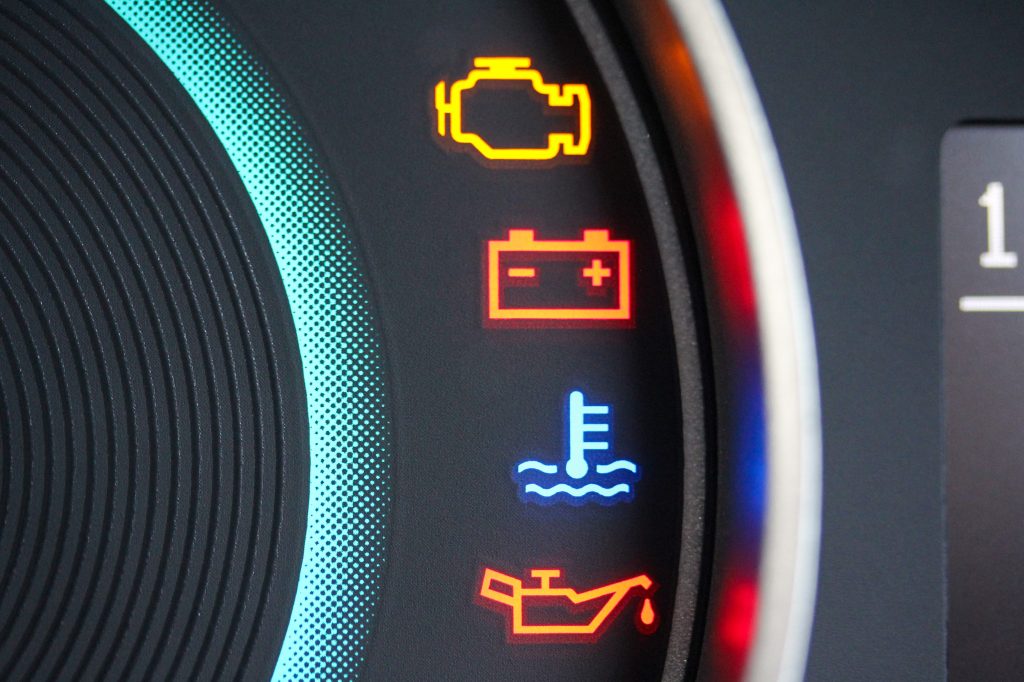
One of the clearest signs of an engine problem is the engine management light illuminating on your dashboard.
The warning light can indicate a wide range of issues, including:
- Faulty sensors
- Ignition system faults
- Fuel system problems
- Air intake issues
- Emissions system failures
Although your vehicle may still drive normally, ignoring an engine warning light can allow minor issues to become major repairs. Professional engine diagnostics can identify the exact cause and prevent further damage.
Unusual Engine Noises
Strange noises coming from your engine are often one of the earliest warning signs of a developing fault.
Engine Knocking
A knocking or pinging noise may indicate:
- Incorrect fuel combustion
- Worn engine bearings
- Internal engine wear
Ticking or Tapping Sounds
These sounds can be caused by:
- Low engine oil levels
- Worn valve train components
- Poor lubrication
Grinding Noises
Grinding noises often suggest serious mechanical wear and should be investigated immediately.
Any unusual engine noise should be inspected by a qualified technician before the problem worsens.
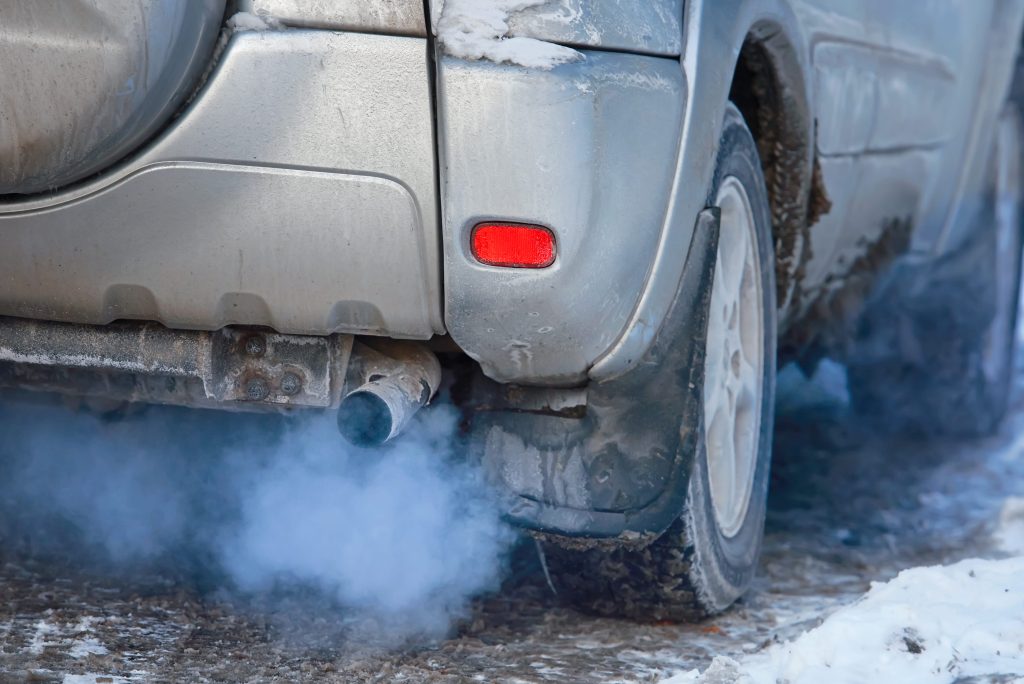
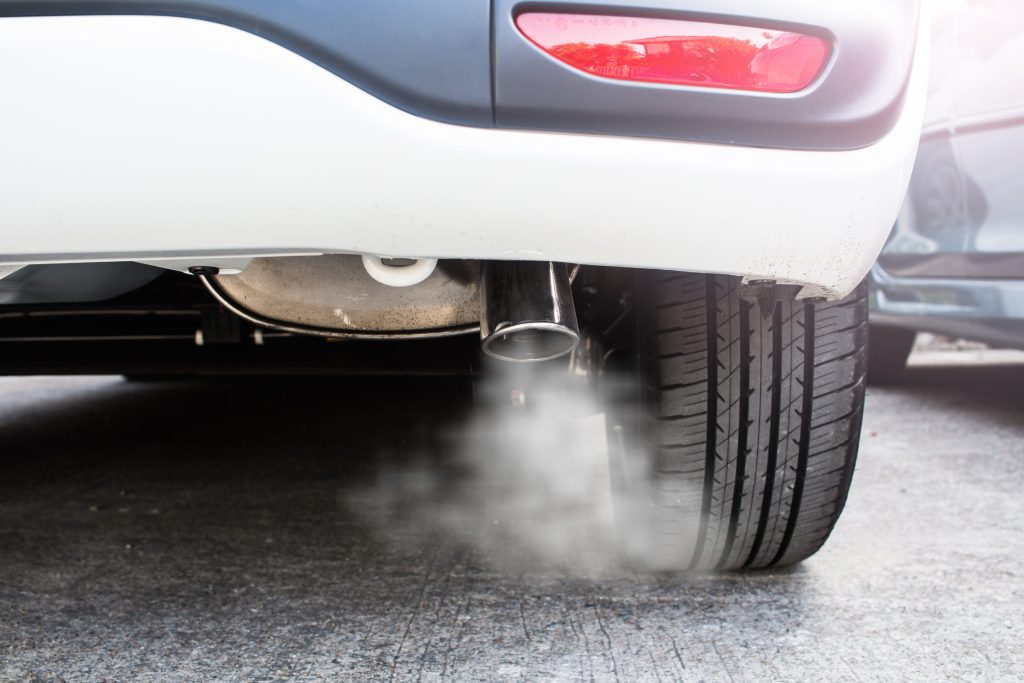
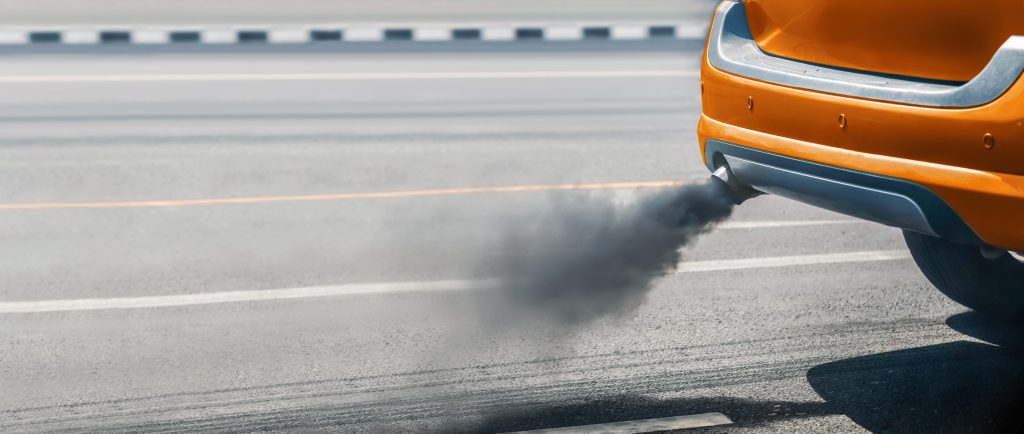
Excessive Exhaust Smoke
Your vehicle’s exhaust can reveal a lot about engine health.
Blue Exhaust Smoke
Blue smoke typically indicates the engine is burning oil. Common causes include:
- Worn piston rings
- Damaged valve seals
- Turbocharger faults
White Exhaust Smoke
Persistent white smoke may suggest coolant is entering the engine’s combustion chamber, often due to a damaged head gasket.
Black Exhaust Smoke
Black smoke generally indicates the engine is burning too much fuel due to issues with:
- Fuel injectors
- Air filters
- Fuel management systems
If you notice unusual exhaust smoke, it’s important to arrange an engine inspection as soon as possible.
Reduced Engine Performance
A loss of power is one of the most common symptoms of engine trouble.
Signs include:
- Slower acceleration
- Reduced responsiveness
- Difficulty climbing hills
- Poor towing performance
Potential causes include:
- Blocked air filters
- Faulty fuel injectors
- Ignition system problems
- Turbocharger issues
- Sensor failures
Addressing performance issues early can help prevent more extensive engine repairs.
Poor Fuel Economy
Have you noticed you’re filling up more often than usual?
Decreased fuel efficiency is often a sign that your engine is not operating as efficiently as it should.
Common causes include:
- Dirty fuel injectors
- Worn spark plugs
- Faulty oxygen sensors
- Air intake restrictions
- Engine management system faults
An engine diagnostic check can quickly identify the cause and restore fuel efficiency.
Engine Overheating
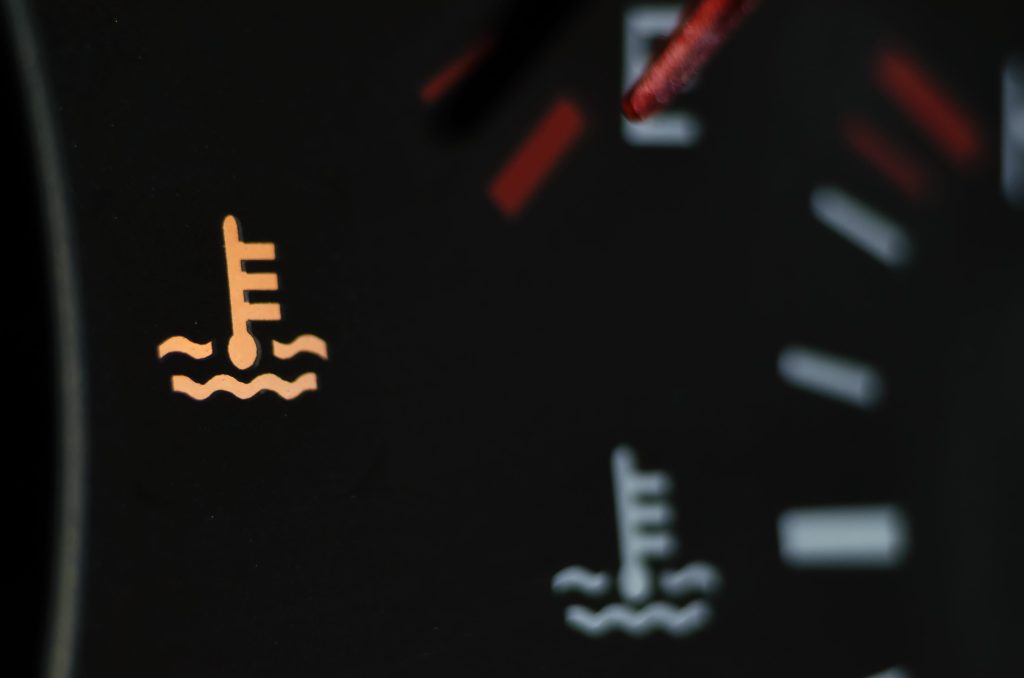
An overheating engine is one of the most serious warning signs a driver can experience.
Common causes include:
- Low coolant levels
- Cooling system leaks
- Faulty thermostats
- Water pump failures
- Blocked radiators
Ignoring engine overheating can lead to severe damage, including warped cylinder heads and complete engine failure.
If your temperature gauge rises above normal or you receive an overheating warning, stop driving and seek professional assistance.
Oil Leaks and Low Engine Oil
Engine oil plays a vital role in lubricating and protecting internal components.
Signs of an oil leak include:
- Oil stains beneath the vehicle
- Burning oil smells
- Frequent oil top-ups
- Dashboard oil warning lights
Low engine oil levels can cause excessive friction, increased wear, and ultimately engine failure if not addressed promptly.
Rough Idling and Engine Misfires
If your engine feels rough while stationary or hesitates during acceleration, you may be experiencing an engine misfire.
Common causes include:
- Faulty spark plugs
- Ignition coil failures
- Fuel delivery issues
- Vacuum leaks
- Sensor malfunctions
Engine misfires can reduce performance, increase fuel consumption, and damage components such as catalytic converters if ignored.
How Regular Servicing Helps Prevent Engine Problems
Routine vehicle servicing remains one of the most effective ways to prevent engine problems.
Regular servicing allows technicians to:
- Identify potential faults early
- Replace worn components
- Check oil and coolant levels
- Test engine performance
- Carry out engine diagnostics
Preventative maintenance is almost always more cost-effective than major engine repairs.
Book an Engine Diagnostic Check at Summit Garage
If you’ve noticed any of these engine warning signs, don’t wait for the problem to get worse.
At Summit Garage, our experienced technicians provide professional engine diagnostics, servicing, and repairs to identify faults quickly and keep your vehicle running safely and efficiently.
Whether you’re experiencing an engine warning light, unusual noises, poor performance, or overheating, our team is here to help.
Contact Summit Garage today to book an engine diagnostic check and keep your vehicle performing at its best.