



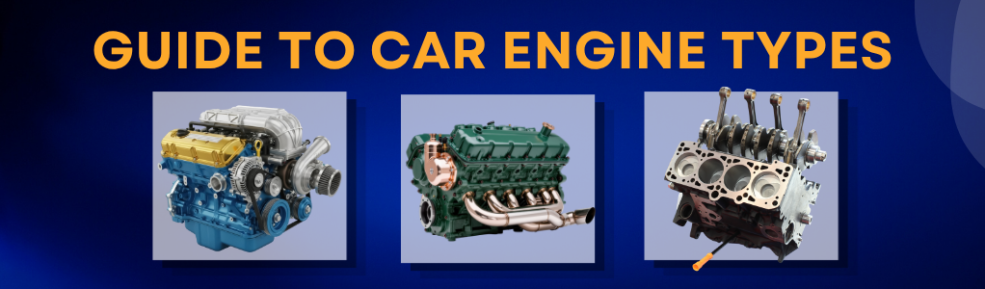
What Engine Is in My Car?
A Complete Guide to Car Engine Types
Whether you’re buying a used car, ordering replacement parts or simply curious about what’s under the bonnet, it’s common to ask, “What engine is in my car?” Understanding your vehicle’s engine can help you make informed decisions about servicing, fuel economy, performance and future purchases.
In this guide, we’ll explain how to identify your car’s engine, explore the different types of engines available today and discuss the advantages of each. From traditional petrol and diesel engines to hybrids, electric vehicles and even emerging technologies, here’s everything you need to know.
How Can I Find Out What Engine Is in My Car?
There are several simple ways to identify the engine fitted to your vehicle.
Check Your V5C Logbook
Your V5C registration certificate contains key information about your vehicle, including:
- Engine size (cc)
- Fuel type
- Vehicle identification details
While it may not list the manufacturer’s engine name, it provides enough information to identify the engine specification.
Look Under the Bonnet
Many vehicles have an information label inside the engine bay displaying:
- Engine code
- Engine size
- Emissions information
- Manufacturer details
The engine code is particularly useful when ordering replacement parts or booking specialist repairs.
Use Your Vehicle Registration
Online vehicle lookup services allow you to enter your registration number to view information such as:
- Engine size
- Horsepower
- Fuel type
- Transmission
- Vehicle specification
Find the VIN
The Vehicle Identification Number (VIN) is unique to every car and can usually be found:
- On your V5C
- At the base of the windscreen
- Inside the driver’s door frame
- In the owner’s manual
A manufacturer or dealership can use the VIN to confirm the exact engine fitted to your vehicle.
The Different Types of Car Engines
Not every vehicle is powered in the same way. While many cars on UK roads still use a traditional internal combustion engine (ICE), advances in automotive technology have introduced hybrid, electric and alternative fuel systems.
Each type of engine or powertrain has its own advantages, whether that’s lower running costs, reduced emissions or improved performance. Understanding the differences can help you choose a vehicle that best suits your driving habits and budget.
The main types of car engines include:
- Internal Combustion Engines (ICE) – Powered by petrol or diesel fuel.
- Electric Vehicles (EVs) – Driven solely by electric motors and rechargeable batteries.
- Hybrid Vehicles – Combine an internal combustion engine with an electric motor.
- Alternative Fuel Engines – Use fuels such as hydrogen, LPG or biofuels instead of conventional petrol or diesel.
- Continuous Combustion Engines – Used primarily in aircraft rather than road vehicles, these engines generate thrust through continuous combustion.
Let’s take a closer look at how each one works.
What Is an Internal Combustion Engine (ICE)?
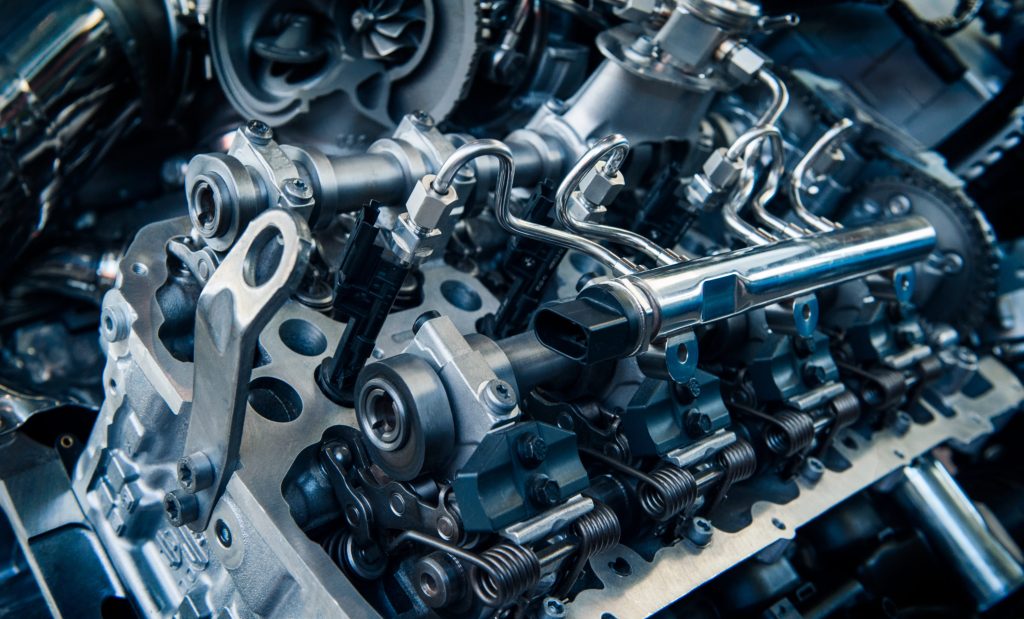
An Internal Combustion Engine (ICE) is the most common type of engine found in cars. It generates power by burning fuel inside cylinders, creating controlled explosions that move pistons and ultimately drive the wheels.
Although electric vehicles are becoming more popular, petrol and diesel ICE vehicles still dominate the UK’s used car market.
Petrol Engines
Petrol engines are well suited to:
- Everyday driving
- Short journeys
- Lower annual mileage
They are typically quieter, smoother and less expensive to maintain than many diesel alternatives.
Diesel Engines
Diesel engines offer:
- Excellent motorway fuel economy
- Higher torque for towing
- Better efficiency on long-distance journeys
For drivers covering high annual mileage, diesel can still be a cost-effective option despite stricter emissions regulations.
Electric Vehicles (EVs)
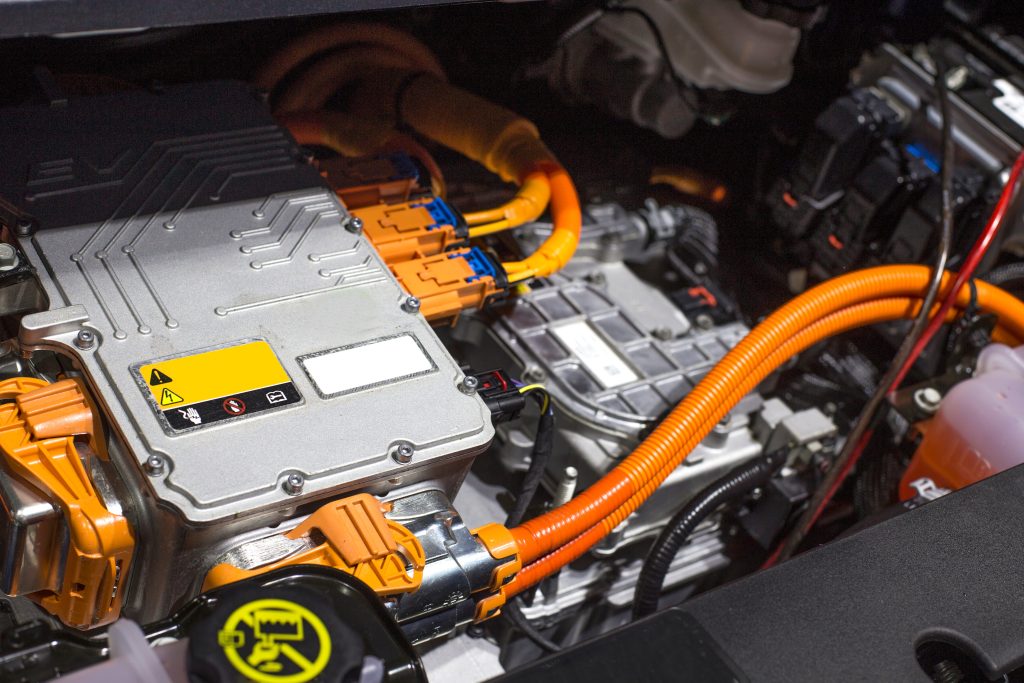
Unlike traditional cars, Electric Vehicles (EVs) do not have a combustion engine. Instead, they use one or more electric motors powered by rechargeable batteries.
Benefits of EVs include:
- Zero tailpipe emissions
- Instant acceleration
- Lower servicing requirements
- Quiet operation
- Reduced running costs
As charging infrastructure continues to improve, electric vehicles are becoming an increasingly practical choice for many UK drivers.
Hybrid Vehicles
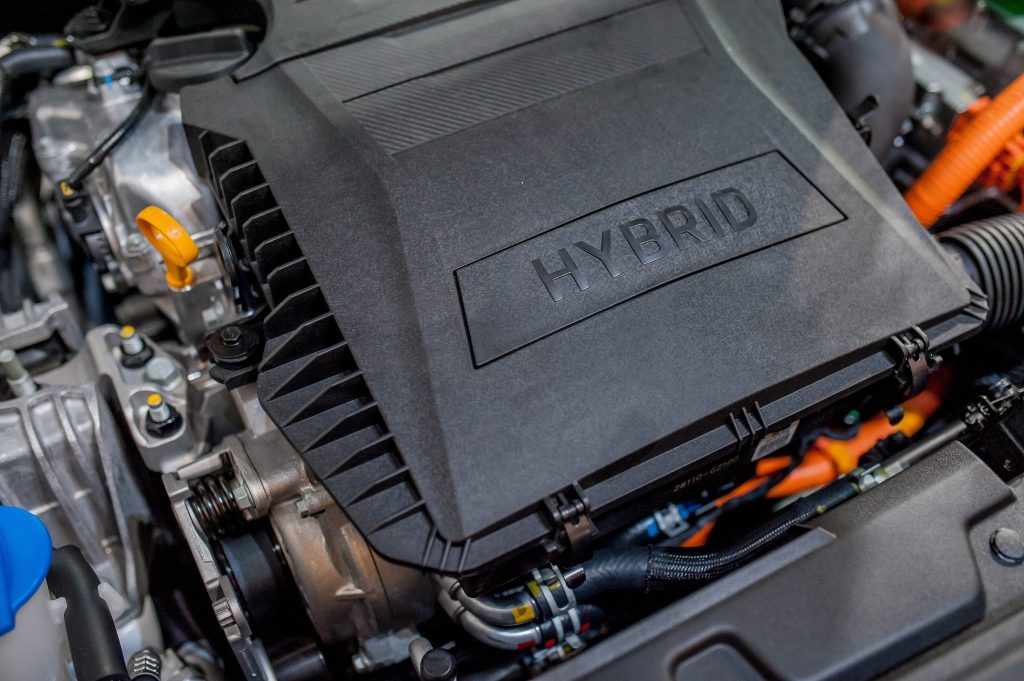
Hybrid vehicles combine an electric motor with a petrol or diesel engine to improve efficiency and reduce fuel consumption.
Mild Hybrid (MHEV)
A mild hybrid uses a small electric motor to assist the engine during acceleration, but it cannot power the vehicle on electricity alone.
Full Hybrid (HEV)
A full hybrid can drive short distances using electric power before switching seamlessly to the combustion engine when needed.
Plug-in Hybrid (PHEV)
Plug-in hybrids feature larger batteries that can be recharged from an external power source, allowing many daily journeys to be completed using electricity alone.
Alternative Fuel Engines
As the automotive industry moves towards lower emissions, manufacturers are developing new engine technologies.
Hydrogen Fuel Cell Vehicles
These vehicles generate electricity using hydrogen and oxygen, producing only water vapour as a by-product.
Hydrogen Combustion Engines
Rather than creating electricity, these engines burn hydrogen directly instead of petrol, offering another potential low-emission solution.
LPG Vehicles
Liquefied Petroleum Gas (LPG) vehicles were once a popular alternative due to lower fuel costs and emissions. Although less common today, they can still offer savings for some motorists.
Biofuels and Synthetic Fuels
Researchers are continuing to develop renewable fuels that can work with existing combustion engines while reducing carbon emissions, potentially extending the lifespan of traditional engine technology.
Continuous Combustion and Jet Engines
While most road vehicles use piston engines with repeated combustion cycles, aircraft typically rely on continuous combustion engines.
Jet engines work by drawing in air, compressing it, mixing it with fuel and burning it continuously to create thrust.
Common examples include:
- Turbojet engines
- Turbofan engines
- Turboprop engines
Although these engines are not used in everyday passenger cars, they demonstrate how different engine technologies are designed for different applications.
Engine Configurations (Cylinder Layouts)
Engine layout refers to how the cylinders are arranged inside the engine. Different configurations affect performance, refinement, balance and packaging.
Inline Engines
Inline engines place all cylinders in a straight line.
Common examples include:
- Inline 3
- Inline 4
- Inline 6
This is the most common engine configuration found in modern family cars due to its simplicity and efficiency.
V Engines
V engines arrange cylinders in two banks, forming a “V” shape.
Examples include:
- V6
- V8
- V10
- V12
These engines typically produce greater power and are often found in larger SUVs, luxury vehicles and performance cars.
Boxer Engines
Also known as flat engines, boxer engines position cylinders horizontally opposite each other.
Advantages include:
- Lower centre of gravity
- Improved vehicle balance
- Reduced vibration
They are commonly associated with Subaru and Porsche models.
Rotary Engines
Instead of pistons, rotary engines use a triangular rotor to generate power.
They are:
- Compact
- Lightweight
- Smooth at high revs
However, they generally consume more fuel and require specialist maintenance. Mazda remains the manufacturer most closely linked with rotary engine technology.
Opposed-Piston Engines
These specialist engines use two pistons within each cylinder and are mainly found in industrial, military and heavy-duty applications rather than passenger cars.
Which Engine Type Is Right for You?
The best engine depends on how you use your vehicle.
- Petrol: Ideal for lower annual mileage and town driving.
- Diesel: Best suited to frequent motorway journeys and towing.
- Hybrid: A great all-round option for mixed driving conditions.
- Plug-in Hybrid: Perfect for drivers with regular access to charging.
- Electric: Excellent for urban commuting with low running costs.
- Alternative Fuel: An exciting glimpse into the future of sustainable motoring.
There is no one-size-fits-all answer. Your budget, driving habits and access to charging or refuelling infrastructure should all influence your decision.
Find the Right Engine at Summit Garage
Whether you’re looking for a reliable petrol hatchback, an efficient diesel estate, a modern hybrid or your first electric vehicle, Summit Garage offers a carefully selected range of quality used cars to suit every lifestyle and budget.
Our experienced team can help you understand the differences between engine types, explain running costs and recommend the vehicle that’s right for you.
Browse our latest used car stock or get in touch with Summit Garage today for friendly, expert advice.